

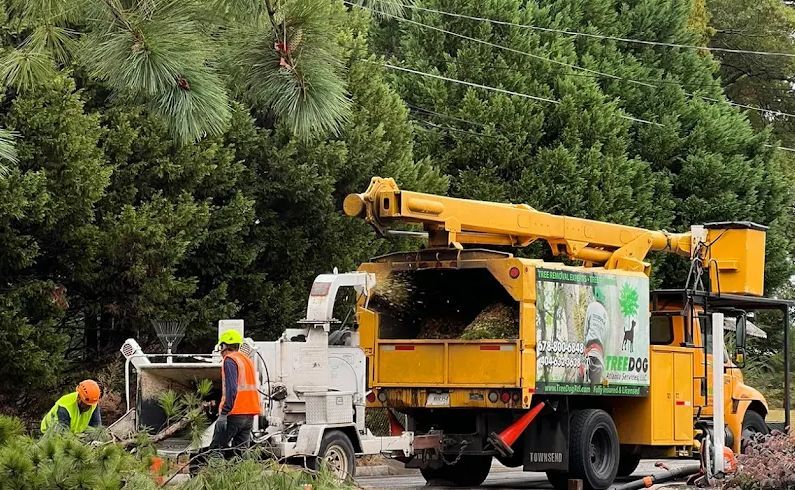
Tree pruning can improve the appearance and health of your trees, but it isn't as simple as cutting away a few unwanted branches. Improper pruning can damage a tree, encourage disease, and create structural problems that become worse over time. Professional tree care specialists have the training, equipment, and experience needed to prune trees safely and correctly. At TreeDog Atlanta Services, we provide expert tree pruning in the greater Atlanta area. Here are four benefits of leaving tree pruning to qualified professionals. Improve Tree Health Professional pruning can help remove dead, diseased, damaged, and poorly positioned branches that may negatively affect a tree's health. Experienced tree care specialists understand how much growth should be removed and where cuts should be made. Proper pruning can improve air circulation and sunlight penetration through the canopy while encouraging healthy growth. Avoiding unnecessary cuts is equally important because excessive pruning can place stress on a tree. Reduce Safety Hazards Large branches can become dangerous when they're weak, dead, or positioned above areas where people and property are located. Professional tree pruners can identify potentially hazardous limbs and determine the safest way to remove them. They also have equipment and techniques for controlling branches as they're cut. This can reduce the risk of falling limbs causing injuries or damaging property. Preserve Proper Tree Structure Trees benefit from balanced, structurally sound growth. Crossing, rubbing, weakly attached, and improperly positioned branches can create problems as they become larger and heavier. Professionals can identify these concerns and make strategic pruning cuts that encourage better structure. Maintaining a balanced canopy can help reduce certain structural stresses and support the tree's long-term development. Protect Your Property Pruning trees near homes, garages, power lines, fences, and other structures requires careful planning. A large branch can cause significant damage if it falls in the wrong direction. Professionals evaluate the surroundings before beginning work and use appropriate techniques to control removed branches. Their experience and specialized equipment can help minimize the potential for property damage during pruning. Professional Tree Pruning in Atlanta For expert tree pruning in Atlanta and the surrounding area, contact TreeDog Atlanta Services at 678-210-6150 . We provide residential and commercial tree care in Metro Atlanta. Feel free to give us a call to ask for an estimate for tree services in greater Atlanta !
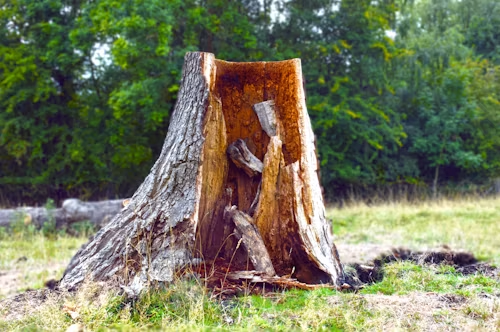
After a tree has been removed, the remaining stump may seem like a minor issue, but leaving it in your yard can create a variety of problems over time. Tree stumps can detract from your landscape, interfere with lawn maintenance, and even become a safety hazard. Professional stump grinding and removal eliminate these concerns. At TreeDog Atlanta Services, we provide expert stump grinding and removal in the greater Atlanta area. Here are five benefits of removing tree stumps from your property. Enhance Your Landscape's Appearance Even a generally well-maintained lawn can look somewhat neglected when an old stump is left behind. Removing the stump creates a more polished and attractive landscape, allowing your grass, flower beds, and other landscaping features to shine. A clean yard also boosts curb appeal, which can be especially beneficial if you're planning to sell your home. Eliminate a Tripping Hazard Tree stumps and exposed roots can pose a significant tripping hazard, especially if grass is growing up around them. They are easy to overlook while walking, playing, or mowing the lawn, increasing the chance of trips and falls. Removing the stump creates a safer outdoor environment and makes it easier to navigate your property without worrying about hidden obstacles. Discourage Pests and Decay As tree stumps decompose, they often attract insects such as termites and other wood-boring pests. These pests may eventually spread to your home. Decaying stumps can also harbor fungi and other organisms that may affect the surrounding landscape. Removing the stump eliminates a potential breeding ground for pests and helps maintain a healthier yard. Make Lawn Care Easier A leftover stump can make routine yard maintenance more difficult. Mowing around it requires extra time and care, while exposed roots may interfere with trimming and edging. Stumps can also damage lawn equipment if they're accidentally struck. Once the stump is removed, maintaining your lawn becomes easier and faster. Create More Usable Outdoor Space A tree stump takes up valuable space that could be used for other purposes. Removing it gives you the flexibility to install a garden, expand your lawn, build a patio, or add other landscaping features. When the stump is gone, new options emerge. Stump Grinding & Removal in Atlanta For expert stump removal in Atlanta and the surrounding area, contact TreeDog Atlanta Services at 678-210-6150 . We provide residential and commercial tree care in Metro Atlanta. Feel free to give us a call to request an estimate for tree services in greater Atlanta, GA !
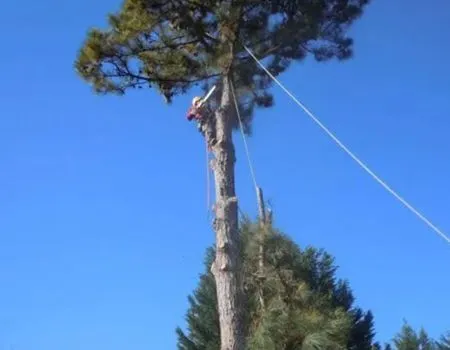
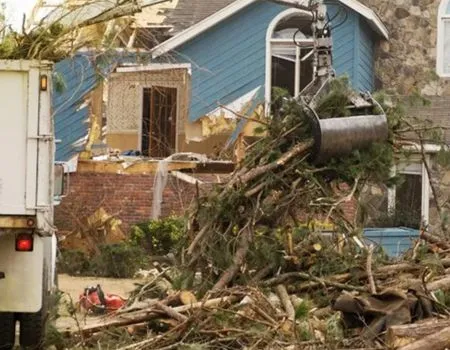
Hazardous trees can pose serious risks to people and property. A tree may become hazardous due to disease, storm damage, root instability, or structural weakness. When a tree shows signs of failure, many property owners have questions about whether it needs to be removed, how the process works, and what to expect. At TreeDog Atlanta Services, we’re happy to answer your questions about hazardous tree removal in the greater Atlanta area. What Makes a Tree Hazardous? A tree is considered hazardous when it has a high risk of falling or shedding large branches that could cause damage or injury. Common indications include large dead limbs, trunk cracks, root decay, significant lean, fungal growth, and storm damage. Trees located near structures or high-traffic areas may be especially dangerous if compromised. How Can I Tell If a Tree Needs to Be Removed? Warning signs include hollow or decaying trunk sections, exposed roots, sudden leaning, and large dead branches in the canopy. If a tree shows multiple structural issues or is located close to your home or power lines, a professional assessment is especially recommended to determine if removal is necessary. Is Hazardous Tree Removal Dangerous? Yes, hazardous tree removal can be extremely dangerous, especially when the tree is unstable or located in a confined area. Falling branches, unpredictable movement, and proximity to structures or utilities increase the risk. This is why removal should always be handled by trained professionals with proper equipment and safety procedures. What Happens During the Tree Removal Process? Professional tree removal typically begins with an inspection and risk assessment. The arborist then develops a removal plan, which may involve sectioning the tree into smaller parts for controlled removal. Specialized equipment such as bucket trucks, ropes, and rigging systems may be used to safely bring the tree down. Why Hire a Professional for Hazardous Tree Removal? Professional arborists have the experience and equipment needed to safely remove dangerous trees. They understand how to manage risks, protect surrounding property, and ensure the job is completed efficiently. Attempting to remove a hazardous tree without proper expertise can lead to serious injury or property damage. Where Can I Find Hazardous Tree Removal in Atlanta? For expert tree removal in Atlanta and the surrounding area, contact TreeDog Atlanta Services at 678-210-6150 . We provide residential and commercial tree care in Metro Atlanta. Feel free to give us a call to arrange an estimate for tree services in greater Atlanta, GA !
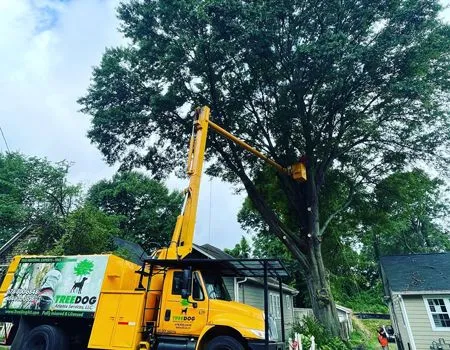
Identify signs of hazardous tree limbs and ensure safety with professional trimming. Contact TreeDog Atlanta Services for expert care.
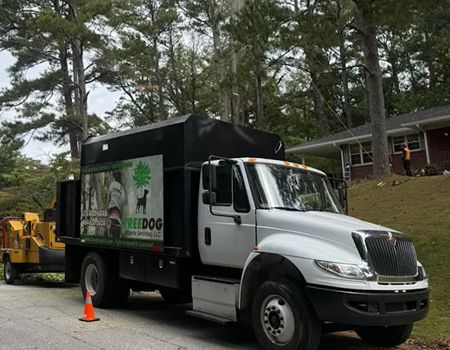
Learn the benefits of professional tree trimming. Enhance safety, boost curb appeal, and improve tree health with TreeDog Atlanta Services.